
The Role of Luck in Gambling
When discussing gambling, the concept of luck frequently arises. Luck, as an element, plays a pivotal role in games of chance such as roulette, slots, and dice games. These games are designed to thrive on uncertainty, where the outcome is inherently unpredictable. For players, the thrill of gambling often hinges on the belief that luck can swing the tides in their favor, leading to exciting wins or disheartening losses. Additionally, many enthusiasts enjoy playing pokies online australia as they explore various strategies, and the psychology of luck may encourage individuals to take risks they typically wouldn’t consider in their daily lives, thereby enhancing the overall experience.
However, this intertwining of luck and gambling can create a perception that skill isn’t even a consideration. In some games, like poker, luck plays a significant role in the short term, but skill often becomes the determining factor in long-term success. Players who develop strategies, understand odds, and possess the ability to read opponents can often outperform those relying solely on chance. Thus, while luck undeniably influences outcomes, skill and strategy also form a critical part of the gambling equation, making it essential for players to recognize the balance between luck and skill.
The perception of luck in casinos extends beyond individual games; it encompasses the entire gambling experience. Players often believe that certain days, environments, or even attire can influence their luck. This belief can lead to superstitions, where individuals may partake in specific routines before engaging in gambling activities. Overall, the intricate dynamics between skill and luck create a complex tapestry that defines the gambling landscape, shaping not only players’ experiences but also their expectations.
The Casino Environment and Its Psychological Effects
The environment of a casino is meticulously crafted to enhance the allure of luck. Bright lights, captivating sounds, and the excitement of others winning create a thrilling atmosphere. This sensory overload is intentional, designed to stimulate the brain’s reward pathways, making gamblers more likely to continue playing. Within this charged environment, players often feel a heightened sense of luck, believing that the energy surrounding them can contribute to their success. The ambiance of a casino can significantly influence how players perceive their chances, often amplifying feelings of optimism.
The casino design also plays a psychological role in affecting players‘ perceptions of their chances. Layouts are often engineered to keep players engaged and encourage spending. The placement of slots, tables, and other gaming options can lead players to feel an illusion of control, further enhancing their beliefs in luck. This environment fosters a sense of community where shared excitement can amplify individual feelings of luck, creating a singular experience that can compel players to return. The design elements serve not just as decoration but as strategic tools for enhancing player engagement.

Moreover, the social interaction present in casinos cannot be overlooked. Gamblers often share their experiences, recounting lucky streaks and favorable outcomes, which can influence new players’ perspectives. This storytelling can reinforce the idea that luck is a tangible force at play within the casino. As these narratives circulate, they create an echo chamber of luck’s presence, potentially drawing more players into the engaging world of gambling. By fostering a communal atmosphere, casinos reinforce the belief that luck is not just random but can be influenced by the collective energy of players.
The Odds: Reality Versus Perception
Understanding the odds associated with casino games is essential to grasp how luck operates within this realm. Every game comes with a built-in house edge, a statistical advantage that ensures the casino maintains profitability over time. For example, in games like blackjack and baccarat, knowledgeable players can make informed decisions that alter their probabilities. However, many casual players may perceive the odds differently, often underestimating or overestimating their chances of winning based on their recent experiences. This disconnect between reality and perception can lead to misguided strategies.
Perception plays a crucial role in how players engage with games of chance. A player who has recently won may feel luckier and make riskier bets, while someone facing a string of losses may feel cursed or unlucky. This psychological phenomenon can lead players to chase losses, a behavior often resulting in further financial decline. Therefore, it’s vital for gamblers to approach their experiences with a rational understanding of odds rather than being swayed solely by their feelings of luck. Recognizing the influence of emotions on decision-making can be a powerful tool for responsible gambling.
Additionally, the vast difference in casino game types contributes to varying perceptions of luck. Some games are purely luck-based, while others allow for strategic play. The disparity between players’ understanding of these dynamics can significantly impact their experiences and perceptions of luck. For instance, while a player might depend solely on luck in a slot machine game, they may use strategy and skill in poker, leading them to feel differently about their chances of winning in each context. This variance underscores the importance of education and awareness in gambling practices.
Myths and Misconceptions Surrounding Luck in Casinos
Numerous myths and misconceptions surround the concept of luck in casinos, often perpetuated by player experiences and cultural narratives. One common belief is that players can „turn the odds“ in their favor by performing certain rituals or superstitions. Whether it’s wearing a lucky charm or playing at a specific time, such practices can create a false sense of agency over random outcomes. While these beliefs can enhance the gambling experience, they do not alter the statistical realities of the games. Understanding this distinction is crucial for responsible gambling.
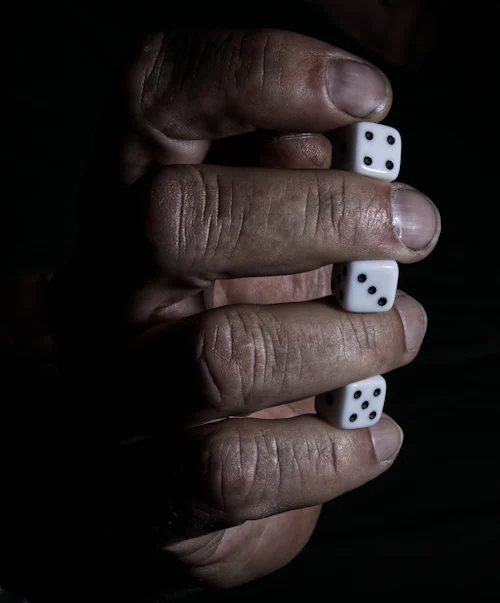
Another prevalent misconception is the idea that previous outcomes can influence future results, particularly in games like roulette. The gambler’s fallacy leads players to believe that a number is „due“ to hit after a series of misses, despite each spin being an independent event. This misunderstanding of probability can lead to substantial financial losses as players base their decisions on flawed reasoning rather than statistical analysis. Educating players about the independence of events in games can mitigate the impact of such misconceptions.
Ultimately, acknowledging these myths and misconceptions can help players navigate their gambling experiences more responsibly. By understanding that luck is just one component of a more extensive system involving odds and strategies, gamblers can cultivate a healthier perspective on their interactions with casinos. This awareness is crucial in promoting responsible gambling practices and reducing the likelihood of negative outcomes associated with gambling behaviors, allowing players to enjoy the entertainment aspect without falling prey to harmful beliefs.
Your Source for Insights on Gambling and Luck
For those interested in exploring the fascinating intersection of casinos and luck, this website serves as a comprehensive resource. It offers in-depth articles, expert analysis, and tips tailored for both novice and seasoned gamblers. By providing up-to-date information on gaming strategies, odds, and player psychology, the site empowers individuals to make informed decisions while gambling. This commitment to education creates a more knowledgeable player base, enhancing the overall gambling experience.
Furthermore, the website explores the broader implications of luck in gambling, including its impact on behaviors and societal perceptions. Readers can find rich content that delves into cultural beliefs surrounding luck, the psychological aspects of gambling, and the economic implications of the casino industry. With an array of resources available, the site creates a supportive community for those seeking to enhance their gambling experiences, fostering a culture of responsible engagement.
Engaging with this website allows users to expand their understanding of the gambling world while demystifying the role of luck. By fostering knowledge and promoting responsible gambling, it ultimately aims to transform players’ relationships with luck, ensuring that they approach their gaming experiences with both excitement and awareness. This balanced perspective can lead to a more enjoyable and sustainable gambling experience, allowing individuals to appreciate the thrill without losing sight of the realities involved.