
The Allure of Chance
The fundamental appeal of casino gambling lies in the thrill of uncertainty and chance. When individuals step into a casino, they are drawn to the bright lights, the sounds of spinning wheels, and the chance to win big. This environment is meticulously crafted to amplify excitement and create an atmosphere of possibility. The unpredictability of gambling taps into a primal aspect of human behavior, where the hope of a substantial reward can lead to a temporary escape from daily life, especially with options like online casino canada fast withdrawal that enhance the experience. Many people find this exhilarating, as the potential for a life-changing win can overshadow the reality of the odds.
Moreover, the psychology of chance is intricately tied to the concept of risk-taking. Many gamblers are motivated by the thrill that accompanies high stakes. Engaging in risky behaviors can trigger the release of dopamine, a neurotransmitter associated with pleasure and reward. This biological response reinforces the desire to engage in gambling activities, creating a cycle where the anticipation of winning fuels further participation. For certain individuals, this cycle can become addictive, as the euphoria of winning can easily overshadow the downsides of losing.
The allure of chance extends beyond mere excitement; it embodies the hope of financial freedom. People often associate gambling with the possibility of overcoming financial difficulties or achieving dreams of luxury. This psychological draw can lead individuals to place bets they might not ordinarily consider, as the imagined outcomes can be deeply appealing. The blend of excitement and hope creates a powerful motivator that keeps people returning to the gaming floor, often disregarding the inherent risks involved.
Cognitive Distortions in Gambling
Cognitive distortions play a significant role in shaping how individuals perceive risks and outcomes in gambling. One prevalent distortion is the gambler’s fallacy, where individuals believe that past events influence future outcomes. For instance, a player may think that after experiencing a series of losses, they are due for a win, which can lead to increased betting and risk-taking. This belief perpetuates a cycle of behavior that encourages continued gambling, despite the statistical reality that each game is independent and unaffected by previous results.
Another critical cognitive distortion is the illusion of control. This leads gamblers to believe they can influence the outcomes of games that are purely based on chance. For example, a player might adopt a specific betting strategy or employ personal rituals, thinking these actions impact the results. This false sense of agency can reinforce gambling behavior, as individuals feel empowered by their supposed strategies, even when the games they play are inherently random.

Cognitive biases not only shape individual experiences but can also influence group dynamics within casinos. Social factors, such as groupthink, can emerge where individuals feel compelled to gamble due to the behaviors of those around them. This can create an environment characterized by collective risk-taking, reinforcing the belief that winning is more likely in the presence of others. The combination of personal cognitive distortions and social influences can lead to prolonged gambling sessions and increased financial stakes, making it imperative to recognize these psychological factors.
The Role of Emotional Factors
Emotions significantly influence gambling behavior, affecting decisions and experiences in profound ways. Many individuals turn to gambling as a coping mechanism for stress, anxiety, or depression. The immersive experience of a casino can provide a temporary escape, allowing individuals to forget their problems and immerse themselves in the thrill of the environment. However, this emotional relief can lead to problematic behaviors if gambling becomes the primary means of coping with life’s challenges.
Additionally, the emotional highs and lows associated with gambling create a rollercoaster of feelings. Winning can produce euphoria, while losing can lead to disappointment and frustration. These emotional fluctuations can become addictive, as individuals may find themselves chasing losses or seeking the thrill of a win to counteract negative emotions. This cycle perpetuates a reliance on gambling as a form of emotional regulation, making it increasingly challenging for individuals to break free from the habit.
Understanding the emotional factors influencing gambling behavior is essential for developing effective interventions. Many treatment programs focus on helping individuals identify and address the underlying emotional issues contributing to their gambling habits. By providing healthier coping strategies and emotional regulation techniques, these programs aim to reduce the reliance on gambling as a means of managing feelings, ultimately leading to more sustainable lifestyle changes and improved mental health.
The Social Environment of Gambling
The social dynamics of gambling environments significantly influence individual behavior and experiences. Casinos are often designed to encourage interaction among players, with group games and communal spaces fostering a sense of camaraderie. This social aspect enhances the thrill of gambling, as individuals share in the excitement of wins and losses. The presence of other players can amplify emotions, drawing individuals deeper into the gambling experience and creating a shared atmosphere of anticipation.
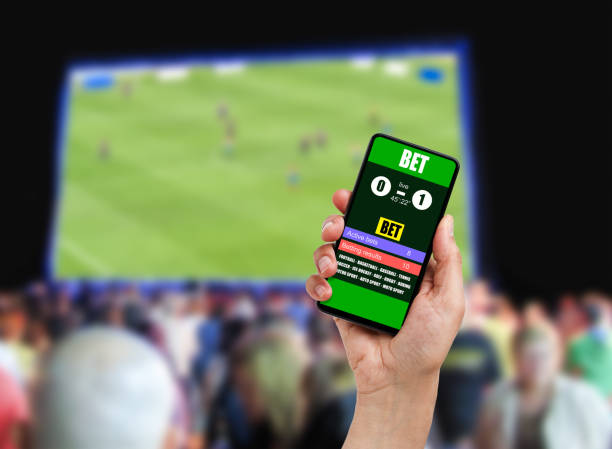
Peer influence plays a crucial role in the social aspect of gambling. Friends or family members who gamble can create a perceived norm, encouraging others to participate. Furthermore, social contexts can make gambling seem more acceptable, leading to increased betting behavior within groups. This phenomenon highlights how social reinforcement can perpetuate gambling habits, as individuals may feel pressured to conform to the behaviors exhibited by their peers, further complicating their relationship with gambling.
However, while social interactions can enhance the gambling experience, they can also contribute to risky behaviors. An environment where gambling is celebrated can lead to poor decision-making and increased financial stakes. Recognizing the impact of social factors is crucial for understanding the broader context of gambling behavior. It emphasizes the need for responsible gambling practices and support systems that encourage healthy relationships with gambling among friends and family, helping mitigate potential harms.
The Future of Gambling Psychology
As the understanding of gambling psychology continues to evolve, new approaches to responsible gambling and mental health support are being developed. Awareness programs focusing on the psychological aspects of gambling aim to educate both players and operators about the potential risks involved. These programs emphasize the importance of recognizing cognitive distortions and emotional triggers, equipping individuals with the tools necessary to make informed decisions about their gambling behaviors.
Moreover, advancements in technology and data analysis are paving the way for more personalized interventions. Online gambling platforms can implement algorithms to identify patterns of problematic behavior, allowing for timely interventions and support. These initiatives can help mitigate the negative aspects of gambling by fostering a safer, more controlled environment for players. Continuous research into gambling psychology will further enhance these efforts, ensuring a deeper understanding of the factors that influence gambling behavior and the development of effective strategies for prevention and treatment.
Ultimately, addressing the psychology of gambling requires a multi-faceted approach, incorporating education, support, and innovative technological solutions. By fostering a comprehensive understanding of the psychological underpinnings of gambling, stakeholders can work towards creating a more responsible gambling landscape. This approach prioritizes player well-being while still allowing for enjoyment and entertainment, ensuring that the thrill of chance does not overshadow the importance of safe and responsible gambling practices.